Manipur
About Manipur
- Sacred Traditions of the Eastern Hills
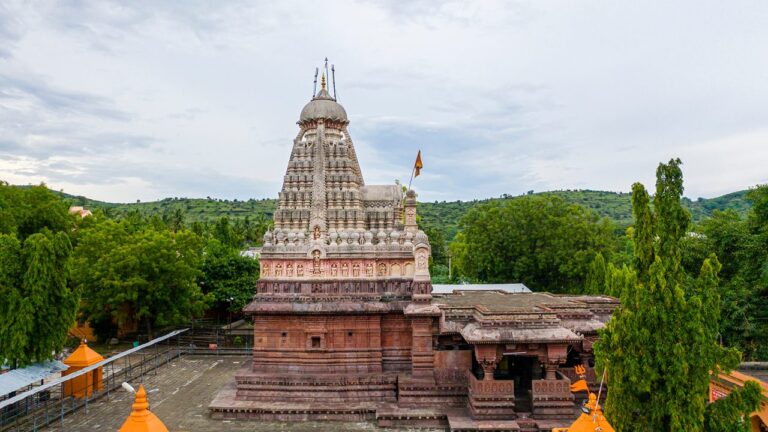
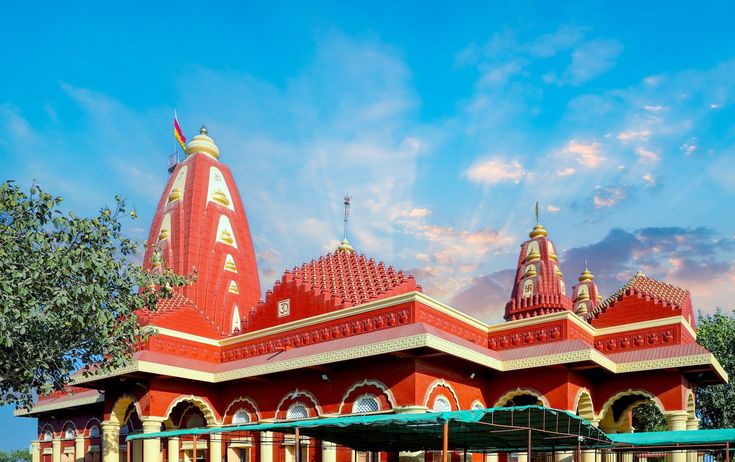
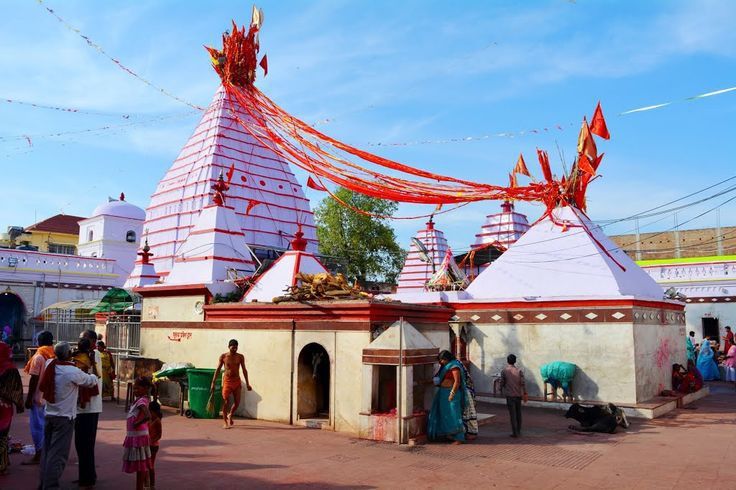
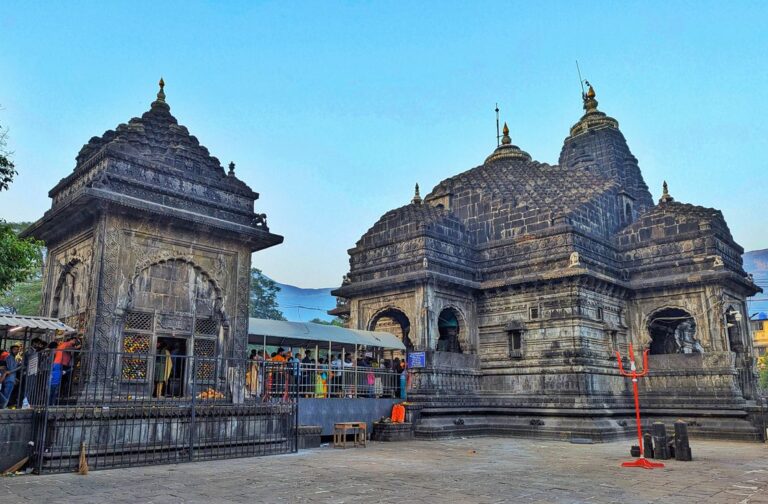
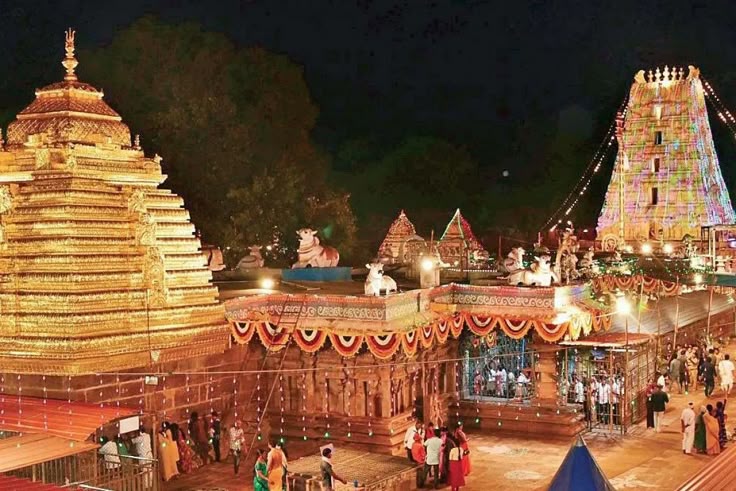
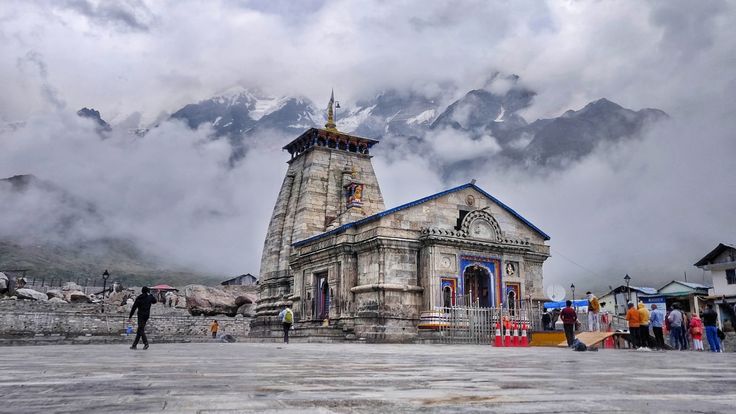
Manipur is a culturally rich and spiritually significant state in Northeast India, known for its ancient temples, indigenous faith systems, and serene Buddhist monasteries. The state reflects a harmonious blend of Vaishnavism, Sanamahi traditions, and Buddhism, deeply rooted in local customs and festivals. Sacred sites like Shri Govindajee Temple and Sanamahi Temple hold great religious importance for devotees. Surrounded by hills, lakes, and valleys, Manipur offers a peaceful spiritual atmosphere. Its traditional rituals, heritage sites, and spiritual harmony make Manipur a meaningful destination for faith-based and cultural travelers.

Featured Temples of Manipur
Explore Temples by Sacred City
- Noney
- Kangpokpi
- Moreh
- Moirang
- Jiribam
- Tamenglong
- Ukhrul
- Imphal
- Bishnupur
- Thoubal
- Kakching
- Churachandpur
- Senapati
Omkareshwar Jyotirlinga
Mamleshwar Temple
Khajrana Ganesh
Bada Ganpati
Annapurna Temple
Major Pilgrimage Circuits
Simhastha Ujjain
2028
Travel Guide
By Road
NH-2 and NH-37 provide vital road connectivity linking Manipur with neighboring states.
Key Routes: NH-2, NH-37
By Train
Rail connectivity is primarily available via Jiribam, connecting Manipur to the national rail network.
Jiribam Railway Station
By Air
Air travel is facilitated through Imphal’s airport with regular domestic connections.
Bir Tikendrajit International Airport, Imphal
FAQs
October to March offers pleasant weather for travel and spiritual visits.
Vaishnavism, Sanamahi faith, Christianity, and Buddhism are widely practiced.
It is the most revered Vaishnavite temple in Manipur, dedicated to Lord Krishna.
A 4–6 day trip is ideal to explore major cultural and spiritual sites.
Yes, major cities and tourist areas are generally safe for visitors.
Mahakaleshwar Jyotirlinga
UjjainHarsiddhi Mata
Chintaman Ganesh